Each claim states how it is known and cites its evidence.
EstablishedExtrusive igneous origin: rapid cooling of erupted magma at or near the surface.
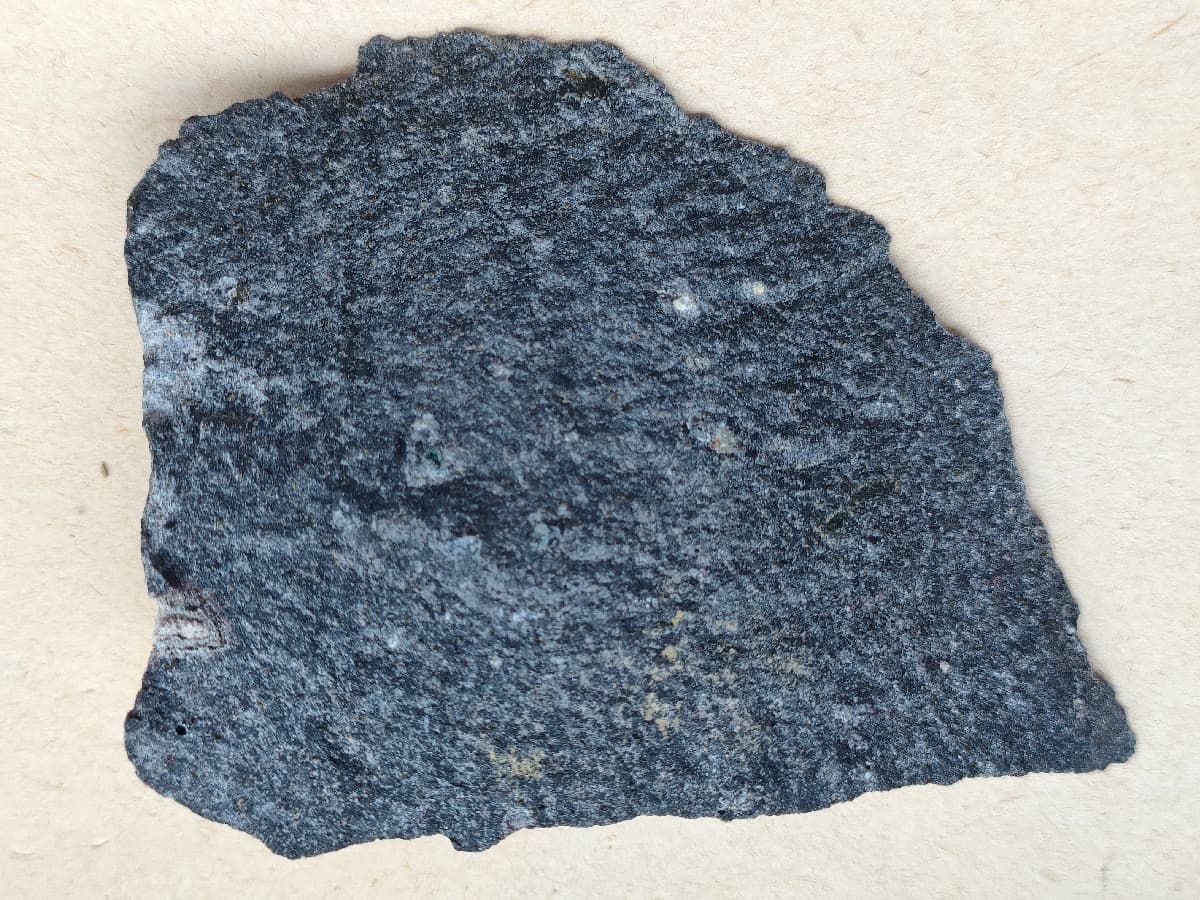
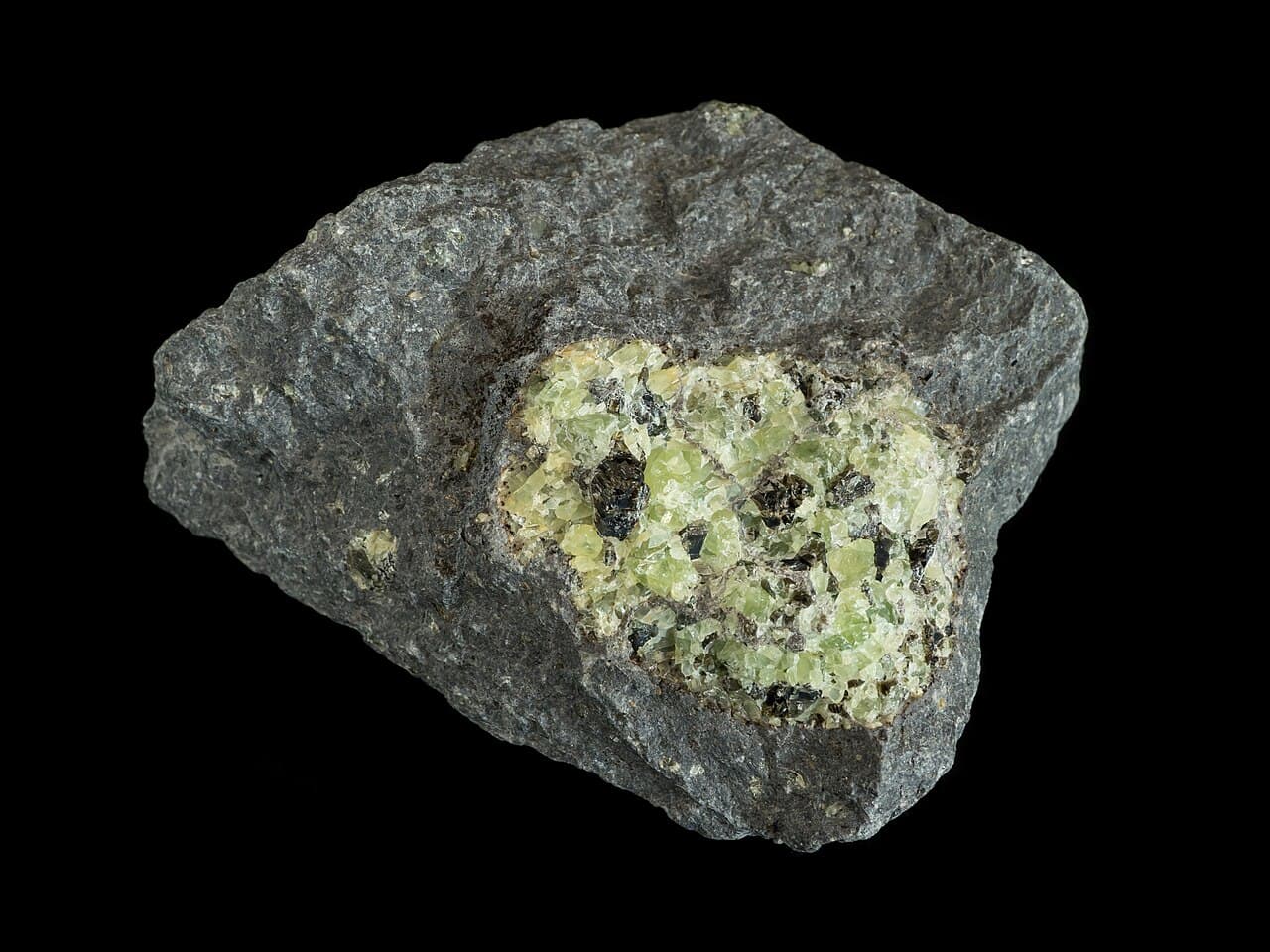
Basalt is a common extrusive igneous rock: it forms when magma erupts and cools quickly at or very near the Earth’s surface, leaving a fine-grained texture.
Evidence support: Supported by the cited evidence · one source
Evidence: U.S. Geological Survey n.d. · Primary authority
EstablishedIron-rich, and containing magnetite.
Basalt, the iron-rich volcanic rock making up the ocean floor, contains the strongly magnetic mineral magnetite, which gives it measurable magnetic properties.
Evidence support: Supported by the cited evidence · 2 sources, multiple sources, independence unknown
Evidence: Kious 1996 · Primary authority; Commission on New Minerals, Nomenclature and Classification, International Mineralogical Association 2026 · Primary authority
EstablishedA solid aggregate of two or more minerals.
A rock is a solid collection of minerals; rocks are generally made up of two or more minerals mixed through geological processes.
Evidence support: Supported by the cited evidence · 2 sources, multiple sources, independence unknown
Evidence: British Geological Survey n.d. · Primary authority; U.S. Geological Survey n.d. · Primary authority
EstablishedSedimentary, igneous and metamorphic.
There are three main classes of rock, classified by how they are sourced and formed: sedimentary, igneous and metamorphic.
Evidence support: Supported by the cited evidence · 4 sources, multiple sources, independence unknown
Evidence: British Geological Survey n.d. · Primary authority; U.S. Geological Survey n.d. · Primary authority; U.S. Geological Survey n.d. · Primary authority; U.S. Geological Survey n.d. · Primary authority